%20(350%20x%20200%20px)%20(350%20x%20200%20px).png)


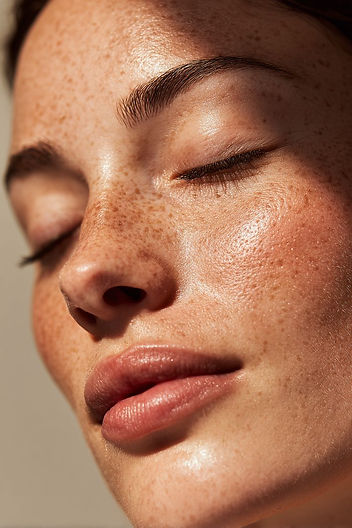
Glow on the Spot
Microdermabrasion Facial
Reveal Fresh &
Radiant Skin

What Is a Facial Chemical Peel?
A facial chemical peel is a professional skincare treatment that uses a specially formulated chemical solution to exfoliate and remove damaged outer layers of skin. This process encourages skin cell renewal, revealing a smoother, brighter, and more youthful-looking complexion.
Chemical peels are among the most effective non-surgical skin rejuvenation treatments, suitable for addressing a wide range of skin concerns such as fine lines, acne scars, pigmentation, dullness, and uneven texture.
How a Chemical Peel Works
During the treatment, Simetics experienced skincare professional applies a chemical exfoliant—typically containing ingredients such as glycolic acid, salicylic acid, lactic acid, Jessner peel or trichloroacetic acid (TCA)—to the face. These active ingredients penetrate the skin and dissolve the bonds between dead skin cells.
As the top layer sheds over several days, new, healthy skin cells emerge, improving the overall tone and clarity of the skin. This controlled exfoliation process stimulates collagen production, enhances skin elasticity, and helps maintain a youthful glow.
Benefits of a Facial Chemical Peel
-
Reduces fine lines and wrinkles
-
Minimizes acne and acne scars
-
Fades sunspots, melasma, and hyperpigmentation
-
Improves skin tone, texture, and radiance
-
Stimulates collagen production for firmer skin
-
Enhances product absorption and overall skin health
Types of Chemical Peels
Starter Peel
What Is a starter Chemical Peel?
-
A Light Chemical Peel, also known as a Superficial Peel, is a gentle exfoliating facial treatment that removes the outermost layer of the skin (epidermis) to reveal a fresher, smoother, and more radiant complexion.
-
It’s one of the most popular chemical peels because it offers visible results with minimal downtime, making it perfect for those new to chemical peels or anyone looking for a quick skin refresh
How a starter Chemical Peel Works
-
During a light peel, a mild acid solution—typically containing Alpha Hydroxy Acids (AHAs) such as glycolic acid or lactic acid, or Beta Hydroxy Acid (BHA) like salicylic acid—is applied to the skin.
-
These acids work by gently loosening and dissolving dead skin cells on the surface, promoting new cell turnover and improving skin clarity and texture.
-
After a few days, the treated skin begins to lightly flake or peel, revealing brighter, smoother, and healthier skin underneath
Benefits of a starter Chemical Peel
-
Gently exfoliates dull, tired skin
-
Improves skin tone and texture
-
Reduces mild acne and blackheads
-
Fades minor pigmentation and sunspots
-
Minimizes the appearance of fine lines
-
Restores a healthy, natural glow
-
Enhances skincare absorption and makeup application
Pro Rejuv peel
What Is a Rejuvenating Peel?
-
A Rejuvenating Peel is a professional skin treatment designed to revitalize dull, tired, or aging skin. It uses a blend of chemical exfoliants and nourishing ingredients to remove dead skin cells, boost cell renewal, and stimulate collagen and elastin production.
-
The result is smoother, firmer, and more radiant skin with a noticeable improvement in tone, texture, and overall youthfulness. Rejuvenating peels are ideal for those who want to refresh their complexion, reduce fine lines, and restore a healthy glow without invasive procedures.
How a Rejuvenating Peel Works
During the treatment, a special chemical solution is applied to the skin. This solution typically contains a combination of alpha hydroxy acids (AHAs), beta hydroxy acids (BHAs), and skin-renewing agents such as:
-
Glycolic acid – boosts collagen and brightens dull skin
-
Lactic acid – hydrates and gently exfoliates
-
Salicylic acid – clears pores and improves texture
-
Vitamin C, peptides, or antioxidants – enhance radiance and fight free radicals
-
These active ingredients work together to slough off dead skin cells, encourage new cell growth, and improve skin elasticity. Over time, this leads to a firmer, smoother, and more youthful appearance.
Benefits of a Rejuvenating Peel
-
Reduces fine lines and wrinkles
-
Improves skin texture and tone
-
Boosts collagen and elastin production
-
Minimizes pores and roughness
-
Brightens dull, tired skin
-
Reduces acne marks and mild pigmentation
-
Enhances skin hydration and glow
Pro Pigment chemical peel
What Is a Pigment Peel?
A Pigment Chemical Peel—also known as a depigmentation peel or brightening peel—is a professional treatment that helps correct uneven skin tone and fade discoloration caused by sun exposure, hormonal changes, acne, or aging.
This peel uses a precise blend of chemical exfoliants and melanin-suppressing ingredients to break down dark spots and regulate pigment production in the deeper layers of the skin. Aftrer 2-3 treatments, it reveals clearer, brighter, and more radiant-looking skin.
How a Pigment Chemical Peel Works
During the treatment, a chemical solution is applied to the skin. This solution typically includes a combination of:
-
Alpha Hydroxy Acids (AHAs) such as glycolic or lactic acid — to exfoliate the surface.
-
Beta Hydroxy Acid (BHA) such as salicylic acid — to clear pores and reduce inflammation.
-
Trichloroacetic Acid (TCA) — for deeper pigment correction.
-
Kojic Acid, Arbutin, Azelaic Acid, or Vitamin C — to inhibit melanin production and brighten skin tone.
These ingredients work together to remove dull, discolored skin cells and reduce melanin activity, helping to fade pigmentation and prevent new dark spots from forming.
Benefits of a Pigment Chemical Peel
-
Fades sun damage, melasma, and dark spots
-
Reduces post-acne marks and discoloration
-
Evens out uneven or blotchy skin tone
-
Brightens the overall complexion
-
Smooths skin texture and reduces dullness
-
Boosts collagen production and cell renewal

Pre care instructions
Active skin care containing a AHA base must be used for 3 to 4 weeks prior to application of a peel.
- Do not use active products such as Vit C and A for a week
- Do not use laser/ipl for 4 weeks.
- Stop waxing for a week or use of depilatory hair removal products.
- Also, avoid bleaching, massages or facial scrubs in the week before your peel.
- Use lot of sunscreen SPF +50
- do not use a peel if you have a fuction to attend coming
- Stay out of the sun for a week.
Post care instructions
- Avoid the sun for a week and apply sunscreen even when in the house.
- Avoid use of active products for a week
- Drink lots of water to stay hydrated.
- Avoid use ILP/Laser treatments for 4 weeks


Frequently Asked Questions About Chemical Peels
What is a chemical peel?
A chemical peel is a professional skin exfoliation treatment that uses a chemical solution to remove dead or damaged skin cells. This process encourages new cell growth, resulting in smoother, brighter, and more youthful-looking skin.
What skin concerns can chemical peels treat?
Chemical peels can effectively treat a variety of skin issues, including:
-
Fine lines and wrinkles
-
Acne and acne scars
-
Hyperpigmentation and dark spots
-
Melasma and sun damage
-
Uneven skin tone and texture
-
Dull, tired-looking skin
Are chemical peels safe?
Yes, when performed by a licensed skincare professional or dermatologist, chemical peels are very safe. The strength of the peel is customized based on your skin type and condition to minimize risk and maximize results.
Does a chemical peel hurt?
You may experience a mild tingling, warmth, or stinging sensation during the peel, but it’s generally well-tolerated. Deep peels may cause more intense sensations, but your provider will ensure your comfort throughout the procedure.
How long does it take to recover from a chemical peel?
Recovery time depends on the type of peel:
-
Light Peel: 1–3 days (mild flaking or redness)
-
Medium Peel: 5–7 days (moderate peeling and redness)
-
Deep Peel: 10–14 days (more noticeable peeling and downtime)
How soon will I see results?
Results can often be seen within a few days to a week after treatment. Your skin will look brighter, smoother, and more even-toned. Deeper peels deliver more dramatic improvements over several weeks as collagen production increases.
How often should I get a chemical peel?
For best results, light chemical peels can be done every 3–4 weeks, while medium or deep peels are typically spaced 3–6 months apart. Your skincare professional will recommend a schedule based on your goals and skin type.
Are chemical peels suitable for darker skin tones?
Yes — when performed with the correct formulation and technique. Certain peels, such as lactic acid or mandelic acid peels, are safer and effective for melanin-rich skin. Always consult a professional experienced in treating darker skin tones.